Mar 21, 2025
•
5 min read
The fighters who last decades aren't the hardest workers. They're the ones who treat recovery as seriously as training. Here's what that actually looks like.

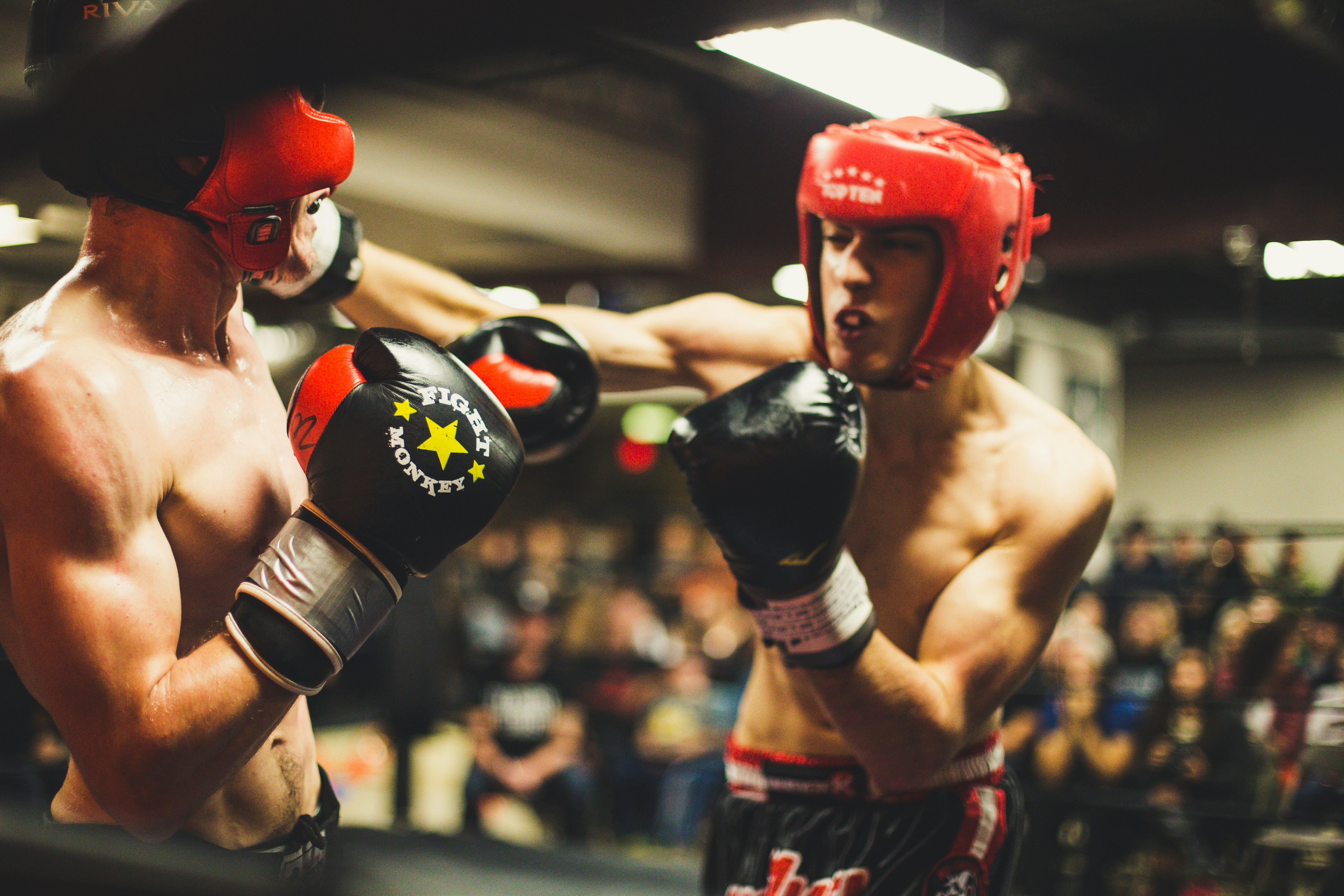
When I started training in boxing, I thought the sport was all about hitting harder and moving faster. I was wrong. The deeper you go into combat sports, the more you understand that recovery is where the real work happens.
The fighters who last — the ones who are sharp in round 10, the ones who compete for decades — are almost never the ones who trained the hardest. They're the ones who trained the smartest and recovered with the same discipline they brought to training.
This changed how I think about coaching entirely.
Sleep is not optional
The body releases growth hormone primarily during deep sleep. Neural pathways consolidate. Inflammation clears. Muscle tissue repairs. If you're training hard and sleeping 6 hours, you're not just leaving gains on the table — you're actively working against the adaptations you're trying to create.
Every serious coach I've worked with in combat sports was more emphatic about sleep than almost anything else. It's not soft advice. It's physiology.
Nutrition timing is a real variable
What you eat in the 30–60 minutes after training significantly affects how you recover. This window is when protein synthesis is elevated, glycogen replenishment is most efficient, and cortisol — which spikes during training — needs to be managed. Getting this wrong consistently compounds over weeks and months.
Active recovery beats complete rest
Complete rest is almost never the best answer. Light movement, mobility work, and breathwork keep blood circulating, reduce soreness, and clear metabolic waste faster than sitting still. The goal isn't to avoid using your body — it's to use it at low intensity so repair processes can run without interference.
Your nervous system needs recovery too
This is the part most people miss entirely. High-intensity training — especially combat sports — taxes the central nervous system, not just the muscles. Signs of CNS fatigue: flat workouts, poor sleep, irritability, loss of motivation, reduced coordination.
These aren't signs to push harder. They're signs to back off.
Boxing taught me to respect these signals. The best fighters I've worked with could read their own readiness with remarkable accuracy — they knew when to go hard and when to hold back. I build that same respect for recovery signals into every program I write.

Naturopath (N.D.), performance coach and boxing trainer helping people train, recover and perform better. Based in Montreal.
Holistic wellness coach helping overwhelmed professionals find their way back to balance.